
Samsung Electronics has taken a major step toward strengthening its presence in the robotics market by announcing the establishment of a dedicated unit called RX (Robotics eXperience). The new division will report directly to the company’s CEO and will be responsible for developing long-term robotics strategies, advancing key technologies, and commercializing robotic products.
The move signals that Samsung no longer views robotics as an experimental technology but as one of its core future growth areas.
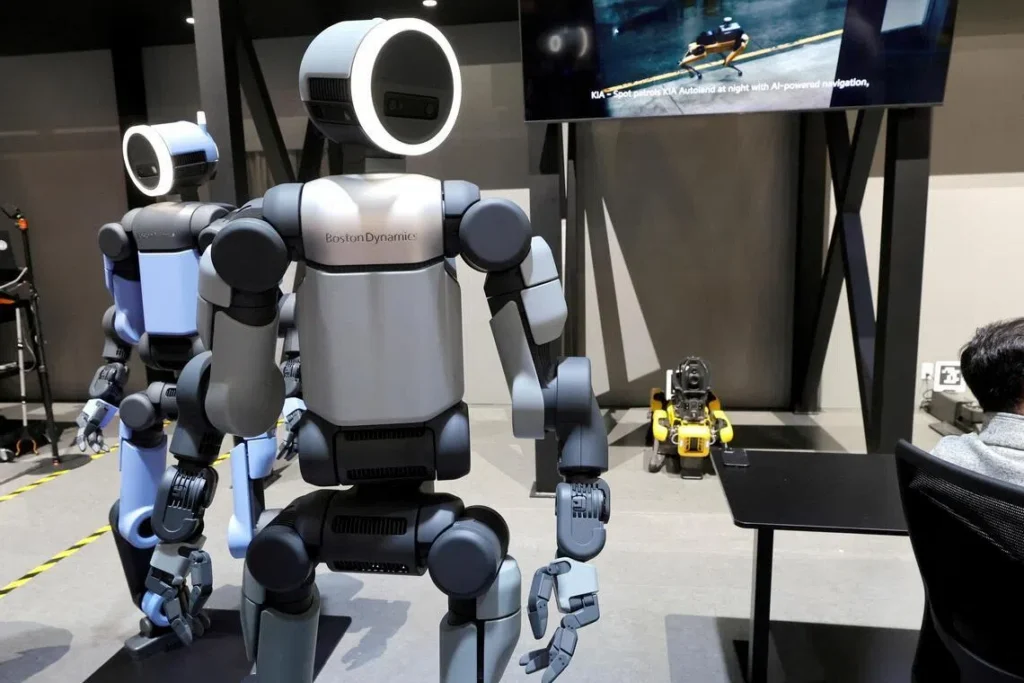
To lead this initiative, Samsung has appointed Lee Dong-kun, an executive vice president at the company, as head of the robotics strategy team. Lee previously worked at Hyundai Motor Group, where he was responsible for robotics strategies and contributed to the development of activities related to Boston Dynamics.
Samsung has also announced plans to establish robotics research centers in the United States, China, and Japan—three countries currently considered major hubs for robotics innovation. The goal is to leverage local expertise, collaborate with technology companies, and strengthen the company’s competitiveness in the global robotics market.
Samsung’s deeper entry into robotics follows its broader strategy of investing in next-generation technologies. The company previously stated that it aims to achieve more tangible results in the field of humanoid robots during the current year.
Samsung believes advances in technologies such as physical AI have made it increasingly possible to develop robots capable of operating effectively in real-world environments.
The company has also indicated that, alongside internal development, it will consider strategic investments and acquisitions of robotics companies when necessary. Expanding partnerships with local technology firms will also be part of its strategy to accelerate innovation.
Samsung’s robotics ambitions extend beyond industrial applications. The company plans to initially deploy advanced robots to improve efficiency in manufacturing environments before expanding their use into homes, retail stores, and everyday services.
Industry analysts believe competition in the robotics market will intensify in the coming years, as major technology companies seek to combine artificial intelligence, advanced sensors, and mechanical engineering to bring a new generation of intelligent machines into human life.
Re: R.U