
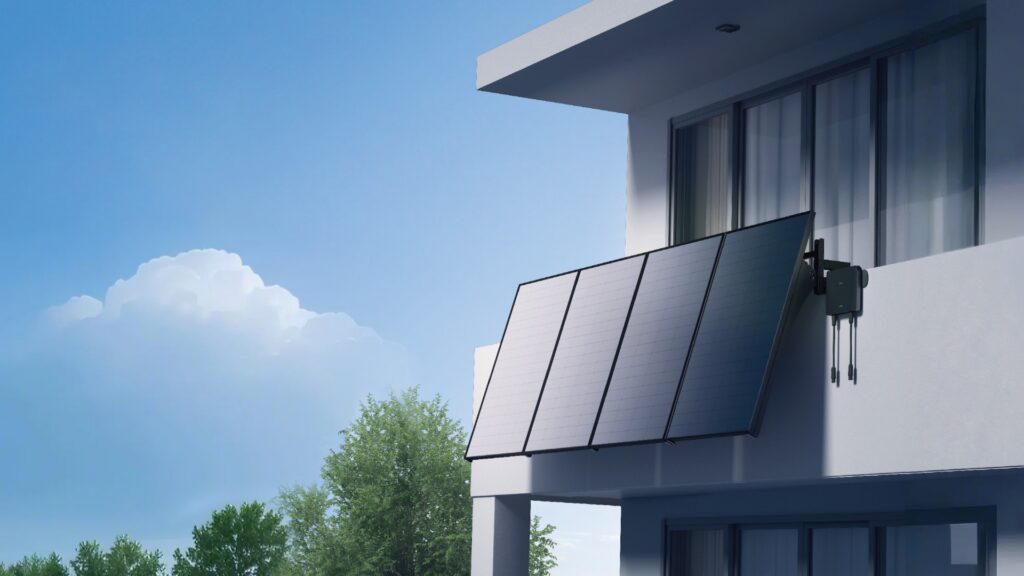
Germany has become one of the most successful examples of balcony solar adoption. The technology began gaining traction there in the 2010s and became significantly more popular after energy prices surged following the Russia-Ukraine war. Today, German consumers can purchase small solar panel systems even from general retail stores, and the country’s installed balcony solar capacity has surpassed 2 gigawatts.
Germany’s experience shows that expanding this technology requires more than simply selling solar panels. It also depends on clear regulations for safe grid connection, consumer protection measures, and effective management of distributed electricity generation. The country has introduced safety standards to ensure equipment reliability and has also eased regulations allowing renters to install and use balcony solar systems.
In the United States, however, one of the main concerns is the impact of connecting large numbers of small solar systems to residential electricity networks. Conventional household wiring was designed to receive electricity from outlets, not to send locally generated power back through the same connection. As a result, experts have raised concerns about potential overloads, failures in protective equipment, and electrical safety risks.
To address these concerns, UL Solutions is developing the UL 3700 standard, which evaluates factors such as insulation, wiring methods, safety equipment, and automatic shutdown mechanisms when the grid loses power. The goal is to prevent electricity generated by balcony solar panels from flowing back into power lines during outages, protecting utility workers carrying out repairs.
Despite these efforts, no balcony solar system has yet achieved full certification under this standard. Some existing products either lack the necessary approvals or rely on standards originally developed for other types of electrical equipment.
Utility companies are also calling for registration and notification requirements for installed systems so they can better manage the growing amount of distributed electricity generation. However, Germany’s experience shows that implementing such systems is not straightforward. Research from the Electric Power Research Institute (EPRI) indicates that the number of unregistered balcony solar systems in Germany may be roughly twice the number of registered installations.
Experts believe balcony solar technology could play an important role in the future of residential energy. However, its long-term success will depend on achieving a balance between rapid technology adoption, ease of use for consumers, and compliance with electricity grid safety standards.