
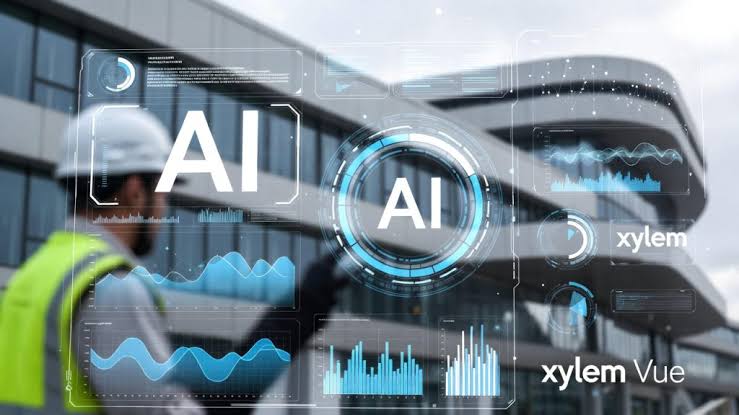
Artificial intelligence is changing the way water utilities monitor, analyze, and manage complex networks. Instead of relying only on traditional software tools, AI-powered systems can examine vast amounts of data, identify connections between different problems, and provide recommendations for addressing operational challenges.
For example, a water network manager could avoid searching through multiple systems and simply ask an AI platform to analyze unusual consumption patterns, detect potential leaks, or identify significant changes across the network. The AI system can then gather the required information and present the results through reports, charts, or maps.
One of the key differences between these technologies and traditional software is their ability to understand human language. Modern AI systems based on large language models (LLMs) can receive requests in everyday language and translate them into analytical processes.
This capability allows water utilities to adapt their systems to the real needs of employees. Instead of relying on fixed dashboards, managers can ask new questions and receive responses tailored to current conditions.
AI can also combine different data sources—including water consumption levels, equipment performance, pipeline conditions, and historical records—to create a more accurate picture of network operations.
For instance, these systems can track changes in critical performance indicators, identify unusual patterns, predict potential failures, and even generate daily or weekly summaries of the most important events across a water network.
However, experts emphasize that in a critical sector such as water management, decision-making will not be fully delegated to artificial intelligence. A mistake in operating water infrastructure could have serious consequences for communities, making human expertise essential.
The next generation of AI systems is being developed around a “human-in-the-loop” approach. Under this model, AI can provide recommendations, explain its reasoning, and present supporting evidence, but critical decisions—such as operational changes, emergency responses, or major interventions—still require approval from human specialists.
Experts believe this collaborative approach will help organizations gradually build trust in AI technologies. In the early stages, AI will primarily serve as an advisor, while greater automation can be introduced as experience and confidence increase.
Ultimately, the future of water management will not be defined by competition between humans and machines, but by collaboration between the two. AI can accelerate analysis and improve prediction capabilities, but the expertise and judgment of professionals will remain a central element in managing critical infrastructure.
Re: S.W.M